
Industries Untouched by AI: Where Humanity Still Leads
Empathy, intuition, and creativity: Discover the industries AI can’t touch and why some roles will always remain uniquely human.

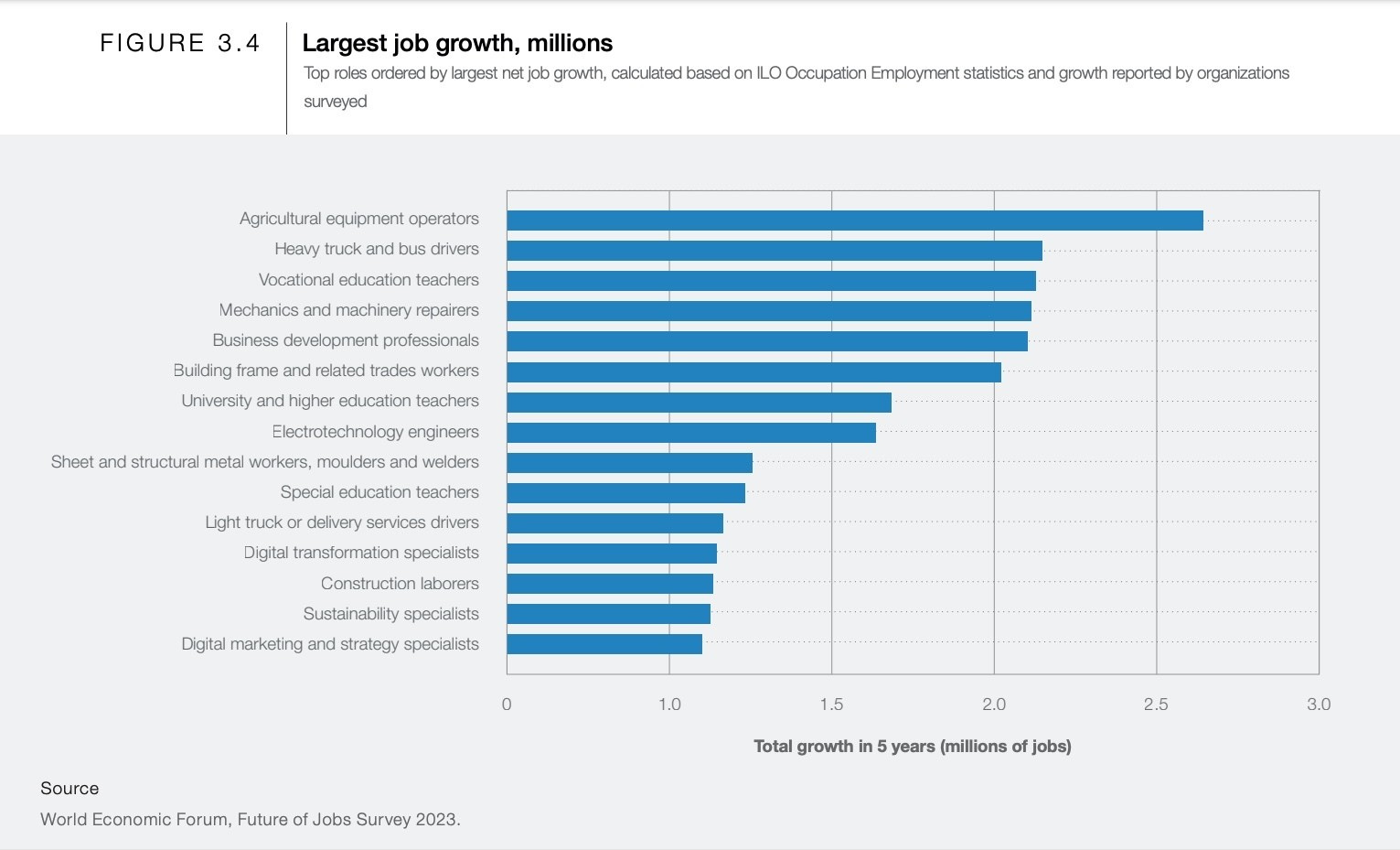
It’s 2027, and you’re driving past a sprawling green farm. The hum of agricultural equipment fills the air, but behind the wheel isn’t a machine powered by an algorithm—it’s a farmer, skillfully navigating the field, adjusting for the sun, the soil, and the unexpected. Down the highway, a heavy truck rumbles along, driven by a seasoned professional, delivering goods to sustain a bustling city. In a nearby classroom, a vocational teacher, brimming with passion, imparts life-changing skills to eager learners.
In a world captivated by artificial intelligence and its ever-expanding influence, these roles stand tall, untouched by the sweeping tide of automation. Why? Because no algorithm can yet rival the intuition of a farmer anticipating rain, the dexterity of a truck driver handling unpredictable roads, or the empathy of a teacher inspiring the next generation.
This isn’t just poetic justice—it’s backed by the data. The World Economic Forum’s Future of Jobs Report 2023 predicts a surge in these professions over the next five years. And while AI writes reports and crunches numbers faster than most of us can blink, it stumbles when faced with the very essence of humanity: judgment, creativity, and the ability to connect on a deeply emotional level.
So, what makes these industries impervious to the AI wave? Let’s delve into the untouchable domains where human ingenuity continues to thrive, crafting a future AI simply cannot replicate.
Professions Rooted in Empathy and Intuition
Psychotherapy and Counseling: AI chatbots can guide you through basic mindfulness exercises or help schedule therapy sessions. But can they truly understand the heartbreak of a failed relationship or the joy of overcoming trauma? Emotional depth, active listening, and genuine human connection make this field uniquely human.
Artistic Innovation: AI can churn out paintings or compose music based on algorithms. Yet, it doesn’t feel. It cannot weave personal stories or cultural nuances into art the way a writer, musician, or painter can. True artistry comes from living, not coding.
Ethical and Moral Boundaries
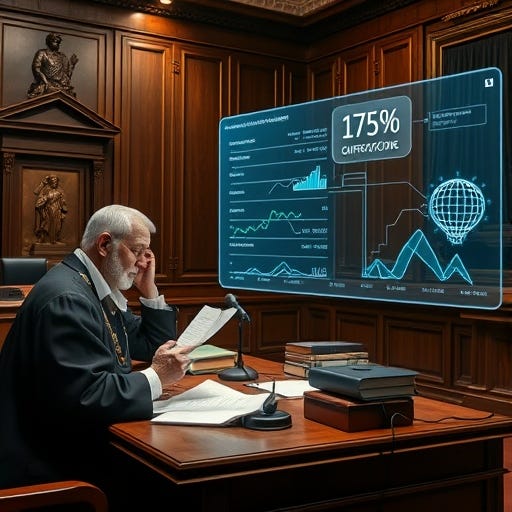
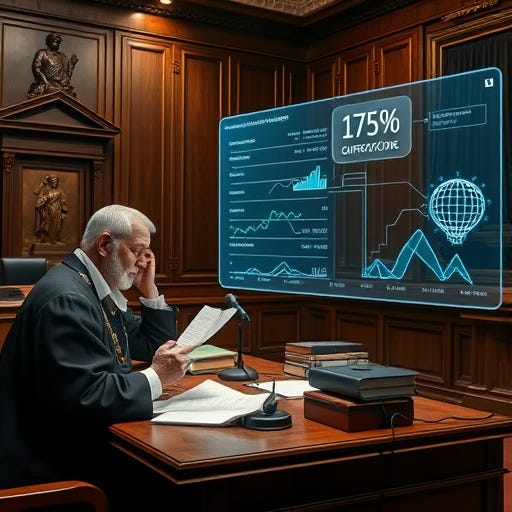
Judiciary and Legal Judgment: AI can analyze precedents or predict case outcomes, but it can’t weigh the moral complexities of justice. Decisions in courtrooms require empathy, cultural context, and an understanding of societal norms—traits no machine can emulate.
Military Decision-Making: While drones and AI-powered tools assist in operations, handing over lethal decisions to machines raises serious ethical concerns. Human oversight ensures accountability and prevents catastrophic misuse.
Unpredictable and Dynamic Environments
Disaster Response: AI excels in data analysis and prediction, but in the chaos of an earthquake or a new viral outbreak, human adaptability, quick thinking, and compassion are irreplaceable.
Wildlife Conservation: AI might track animal movements or detect poaching patterns, but fieldwork in rugged terrains demands hands-on problem-solving and resilience that only humans possess.
Complex Cultural and Social Understanding
Cross-Cultural Diplomacy: Mediating between nations or communities requires sensitivity to historical grievances, cultural nuances, and emotional intelligence—far beyond the reach of AI.
Preserving Indigenous Knowledge: Centuries-old oral traditions and cultural practices often resist digitization. Only humans can ensure that these traditions are respected and authentically preserved.
Mastery of Physical Dexterity and Multisensory Feedback
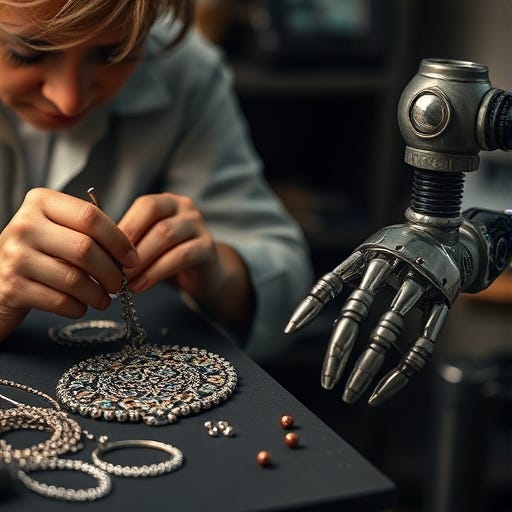
High-Skill Manual Labor: From crafting intricate jewelry to creating gourmet dishes, these jobs demand adaptability and finesse. AI-powered robots may be fast, but they lack the tactile feedback and intuition humans bring to the table.
For example, in the world of haute couture, designers craft garments by draping fabric on mannequins, feeling the texture, and visualizing how it will move on a person’s body. A famous example is Alexander McQueen’s iconic fashion shows, where each creation was an expression of emotion and storytelling. Key highlights include:
Theatrical Fashion: McQueen's work combined raw emotion, narrative depth, and impeccable craftsmanship.
Early Influences: His time at Central Saint Martins shaped his artistic approach, blending performance with wearable art.
Iconic Collections: "Highland Rape" and "The Birds" exemplified his provocative style, addressing historical and social themes.
Artistic Impact: McQueen elevated fashion to a form of social commentary, sparking debates on violence and representation.
Known for his theatrical runway shows and avant-garde designs, McQueen used unconventional materials and storytelling to challenge societal norms, which can’t be perfectly captured and replaced by AI.
Traditional and Highly Regulated Roles
Religious Practices: Whether leading a prayer or guiding spiritual journeys, these roles are deeply personal and steeped in belief systems AI cannot—and should not—intervene in.
Government Policy-Making: AI can inform decisions with data, but policymaking involves weighing moral, societal, and economic impacts—something only humans can navigate responsibly.
The Takeaway
AI is transformative, but it has its limits. Professions that require creativity, empathy, cultural understanding, or moral judgment are inherently human. While AI enhances efficiency, these industries remind us that human oversight, adaptability, and emotional intelligence will always be indispensable.
In the race toward automation, some roles remain sacred, showcasing what makes us uniquely human.